How AV Systems Integration Supports Modern University Learning Environments
Brad Rojas
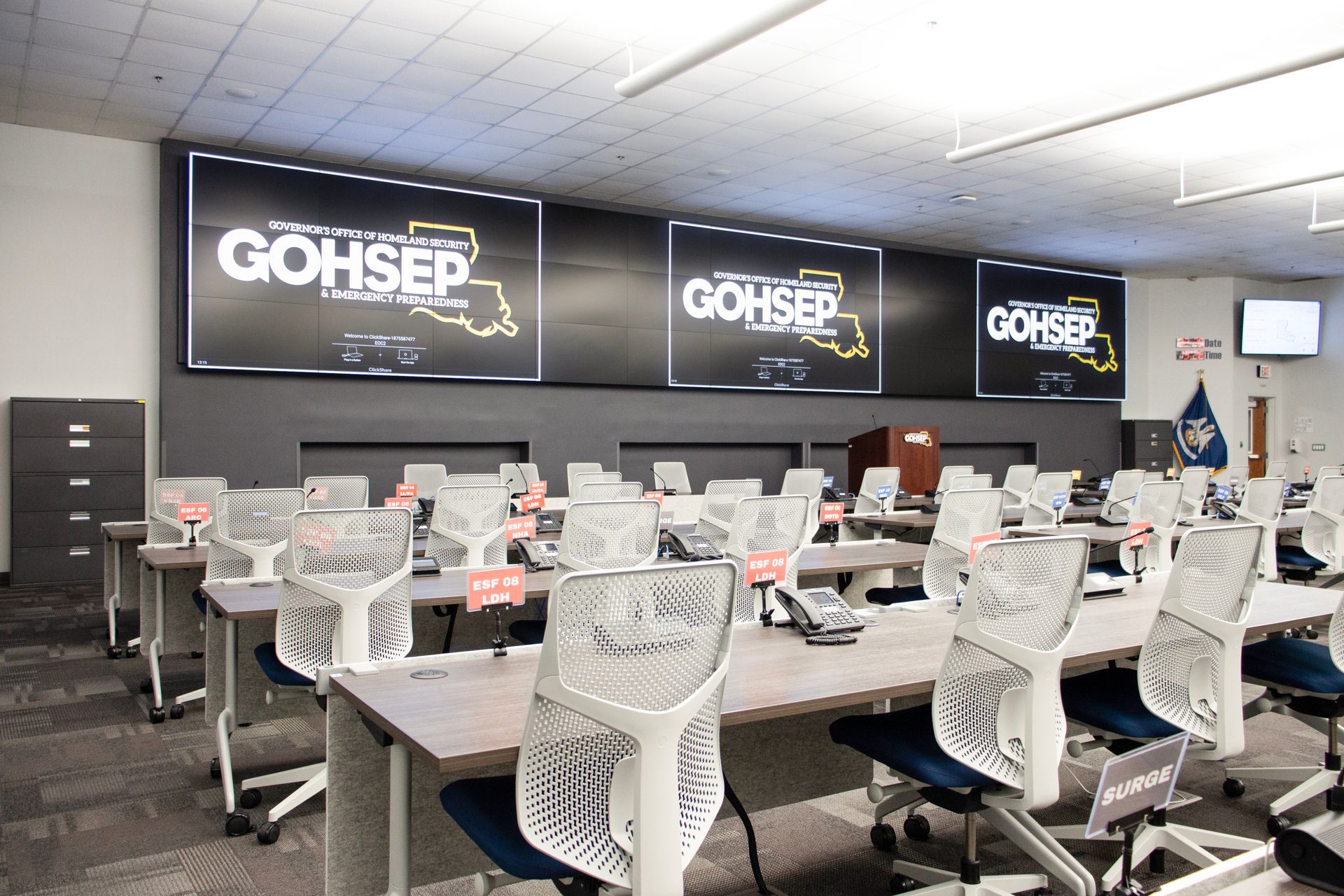
Modern learning environments look very different than they did a decade ago. University classrooms now rely on an interconnected ecosystem of technology designed to support collaborative learning, remote participation, and flexible teaching styles.
For these environments to function effectively, every piece of technology must work together seamlessly. Otherwise, technology becomes a distraction that interrupts instruction instead of enhancing it.
For students and faculty, the experience should feel effortless. An instructor walks into the room, taps a control panel, and class begins. Displays power on, cameras activate, microphones connect, and remote students join without delays or troubleshooting.
AV systems integration is the bridge connecting these technologies into a single, unified system that operates consistently and reliably across the entire campus.
Modern Learning Environments Depend on Integrated Technology
Higher education has shifted toward more flexible, technology-driven instruction models.
Students now expect the ability to participate remotely, access recorded lectures, collaborate digitally, and engage with multimedia content during class. Faculty need classrooms that support both in-person and virtual learners without creating complicated workflows.
Connected AV systems play a critical role in making content more accessible and flexible. Students gain on-demand access to lectures and classroom materials, allowing them to revisit difficult concepts, review lessons at their own pace, and stay engaged even when attending remotely.

Building Reliable Hybrid Learning Environments With AV Technology
Hybrid learning is now a permanent part of higher education.
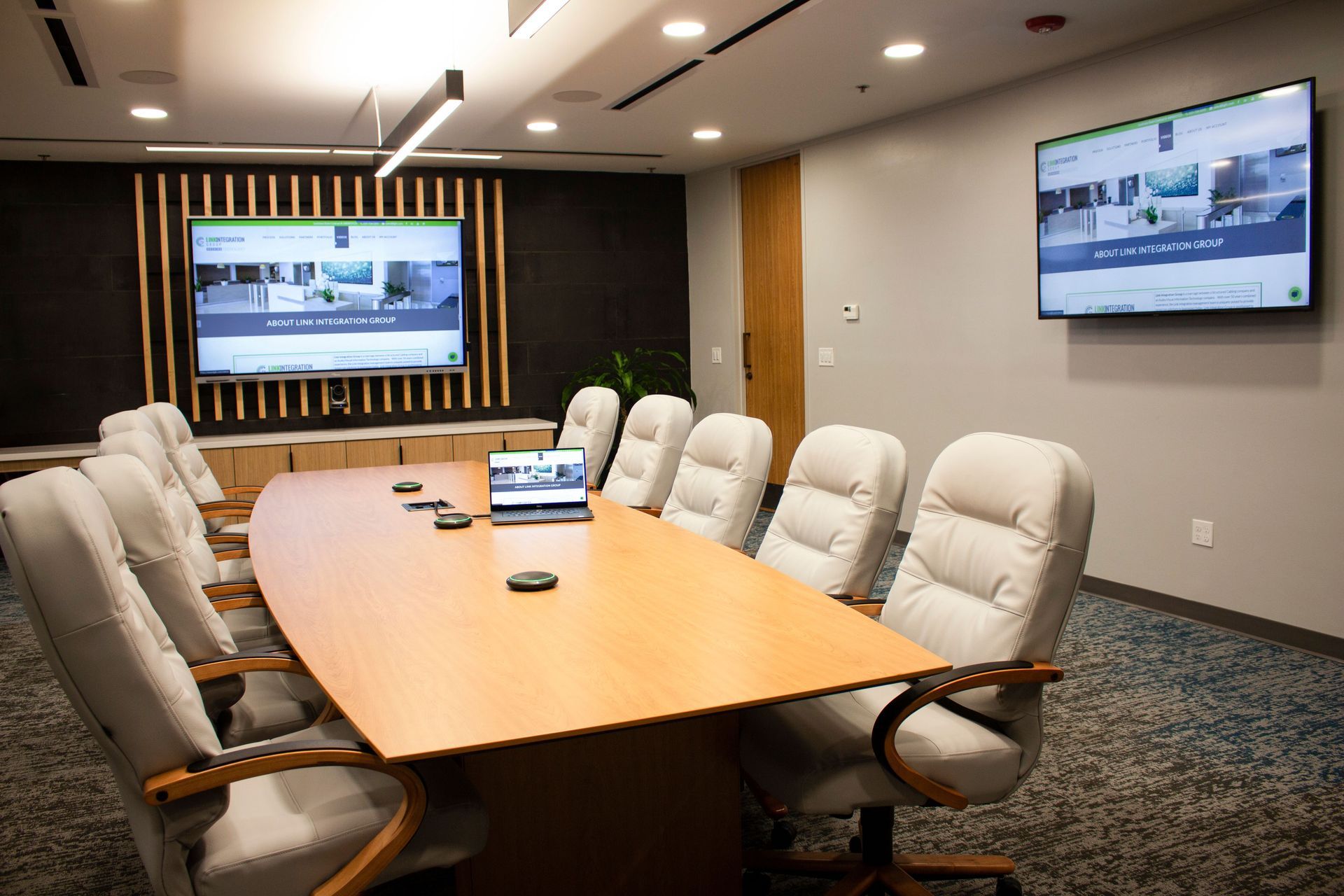
Modern classrooms must support students attending both in person and remotely at the same time. That requires cameras, microphones, displays, and conferencing platforms to operate together smoothly.
Without proper integration, hybrid instruction often creates technical issues that interrupt learning. Audio delays, poor camera switching, disconnected devices, and inconsistent controls can make classes frustrating for both instructors and students.
Integrated AV systems reduce these problems by creating reliable workflows that simplify hybrid teaching.
When classrooms are designed correctly, instructors can focus on teaching instead of managing technology.
Using AV Technology to Create More Interactive Classrooms
Technology plays a major role in keeping students engaged in modern classrooms.
Integrated AV systems allow instructors to incorporate multimedia presentations, interactive content, collaborative activities, and real-time communication tools more naturally into lessons.
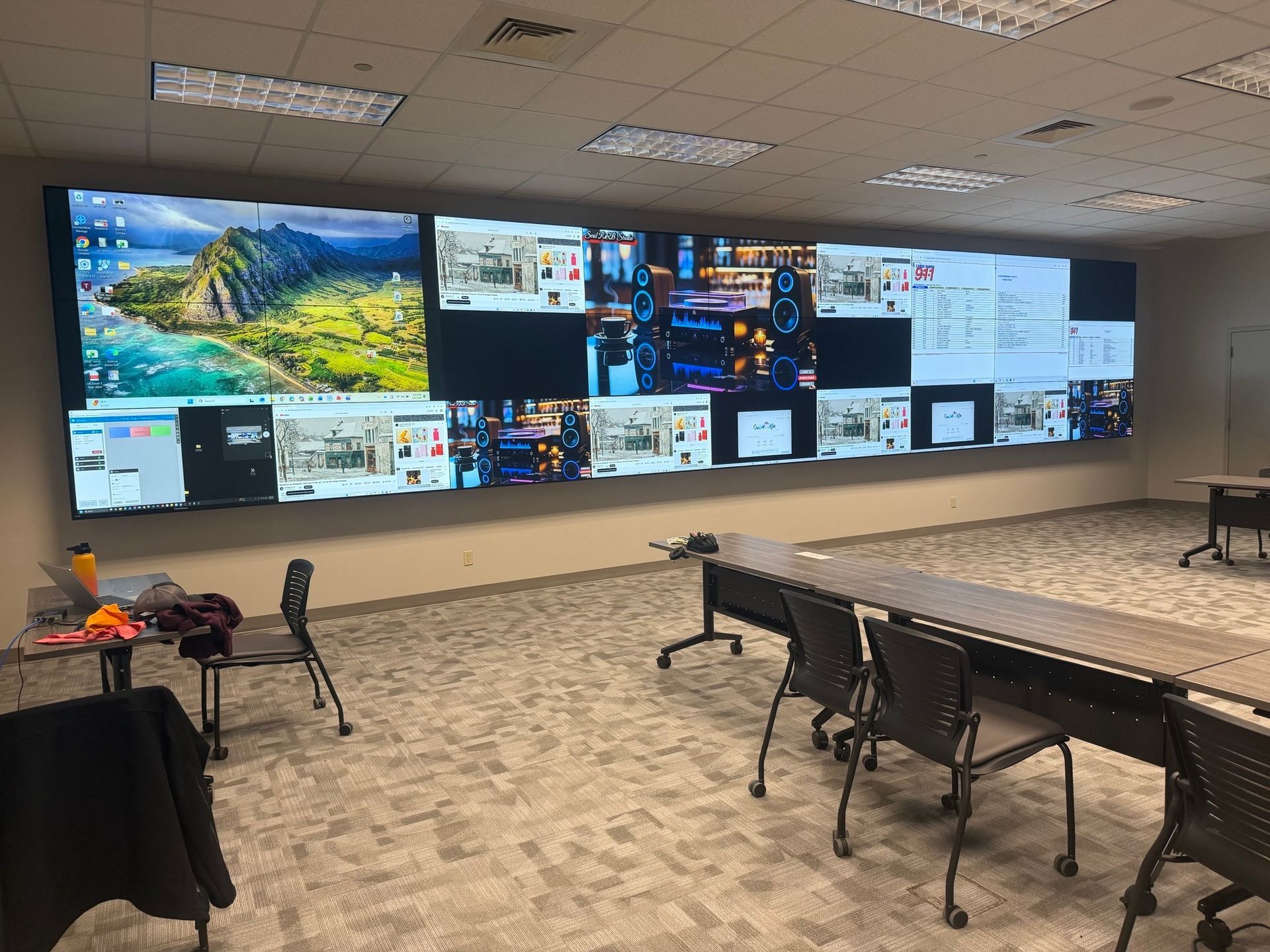
Students can share content wirelessly, participate in group discussions across multiple displays, and interact with digital learning tools without interrupting the flow of instruction.
This creates more dynamic learning experiences that better support different learning styles.
Flexible Classroom Technology for Modern Universities
University learning environments are no longer one-size-fits-all.
College campuses include active learning classrooms, simulation labs, lecture halls, collaborative study spaces, and multipurpose rooms that serve different academic needs throughout the day.
Integrated AV systems allow spaces to adapt quickly for different teaching methods and room configurations.
For example, a classroom may support:
- Traditional lectures
- Group collaboration sessions
- Remote guest speakers
- Student presentations
- Video conferencing
- Recorded instruction
AV integration ensures the technology supporting these activities works together consistently, regardless of how the room is being used.
Classroom AV Integration Requires Strong IT Coordination
Modern AV systems depend heavily on campus networks. Classroom technology connects to cloud platforms, learning management systems, remote monitoring tools, and video conferencing applications. Because of this, AV integration projects require close coordination with university IT departments.
Successful AV integration involves planning around:
- Network bandwidth and performance
- Cybersecurity requirements
- Device management and authentication
- Cloud platform compatibility
- Remote monitoring capabilities
- Standardization across campus
Without proper coordination, classroom technology can create network strain, security risks, or inconsistent user experiences.
Collaboration between AV integrators and IT teams helps universities deploy technology that supports modern learning while maintaining reliability and security.
How Standardized AV Systems Simplify Campus Expansion
Most institutions modernize technology gradually as buildings are renovated, programs expand, or learning needs evolve. A well-planned AV integration strategy allows campuses to scale technology over time without creating disconnected systems.
Standardized integration also simplifies future upgrades. Universities can add new technologies, expand hybrid learning capabilities, and modernize classrooms while maintaining consistency across campus.
This flexibility is critical as higher education continues adapting to changing instructional models and student expectations.
Build a Smarter, More Connected University Campus with the Right AV Integration Partner
Technology decisions made today directly impact how universities teach, collaborate, and grow in the future. A well-planned AV integration strategy helps campuses create consistent user experiences, simplify technology management, and prepare for evolving instructional needs.
The right integration partner helps universities design systems that align with long-term campus goals while ensuring technology remains scalable, reliable, and easy to support as needs change over time.
Link Integration has successfully partnered with higher education institutions throughout Louisiana to develop integrated AV solutions that support modern learning environments. Contact us to schedule a campus AV assessment and start building a smarter, more connected learning environment.