Solving AV Integration Challenges on College Campuses
Brad Rojas
A professor arrives five minutes early to find 80 students waiting, but her laptop won't connect to the display despite trying multiple inputs.
She contacts the IT helpdesk, but they are assisting another department. By the time the display works, ten minutes of class time and the room’s momentum are lost.
Such incidents occur daily on college campuses and are often linked to how AV systems are implemented and managed over time.
Universities rarely upgrade all classrooms at once. Budget cycles, renovation schedules, and competing priorities mean AV integration often occurs in phases.
A wing renovated in 2018 receives one system, while a classroom updated last year uses another. Older lecture halls may still rely on outdated equipment. This results in a campus where technology works, but rarely consistently.
At Link Integration, our work with universities across Louisiana has consistently revealed these patterns. Through collaboration, we help institutions streamline operations, improve communication between departments, increase staff productivity, and resolve institutional challenges efficiently. While frustrations are real, the root issues can be addressed.

How Does Inconsistent AV Integration Affect College Campuses?
Phased AV integration leads to inconsistency. Faculty teaching in multiple rooms face different setups each time. Displays operate differently, inputs may be inconsistently labeled, and audio varies based on installation.
This creates challenges on two fronts.
For faculty:
- Time spent figuring out the room before teaching can begin
- No consistent workflow to rely on
- Increased reliance on IT support
For IT teams:
- Multiple AV systems to support across campus
- Different vendors, hardware, and troubleshooting processes
- Limited visibility into system performance
Many older AV systems were installed as standalone setups with limited or no network connectivity. Without network integration, IT teams must react to issues instead of managing systems proactively.
When Should Colleges Upgrade or Replace AV Systems?
Some systems continue to operate despite being outdated. Projectors and control panels may still function, and the system technically meets basic needs.
However, over time, limitations become apparent:
- Unsupported equipment becomes harder to maintain
- Complex controls lead to repeated support requests.
- Systems that are not network-connected limit future capabilities
What is acceptable today can quickly become a barrier as campuses expand hybrid learning, lecture capture, and collaboration tools.
Brad Olson, General Manager at Link Integration, explains it this way:
“The institutions that get the most value from their AV investments are those that consider standardization, lifecycle planning, and long-term support from the beginning. When those pieces are in place, technology becomes much easier for faculty to use and far easier for IT teams to manage across hundreds of rooms.”
What Does Fixing AV Integration Actually Look Like?
Colleges that address AV integration challenges successfully treat them as part of a broader campus strategy, not as isolated upgrades.
That approach often includes:
- Establishing consistent AV standards across classrooms
- Planning system upgrades based on the lifecycle rather than failure
- Integrating AV systems into the campus network for visibility and control
- Designing systems based on how instructors actually use the space
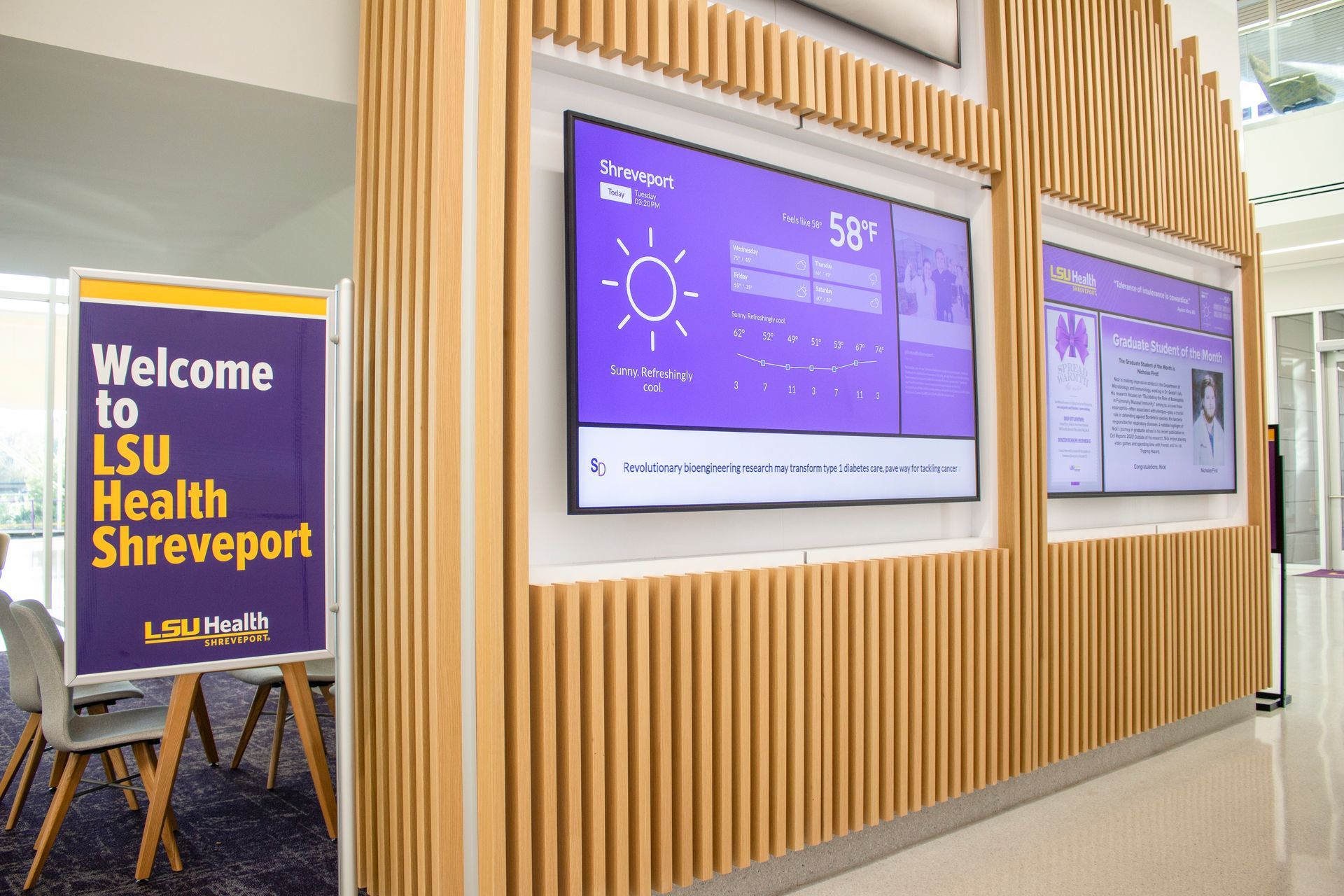
When Link Integration partnered with Louisiana State University to upgrade classroom AV systems, the focus went beyond installing new equipment. The aim was to create an environment that faculty could depend on, and IT could support without ongoing intervention.
As Ric Simmons at Louisiana State University shared:
“Our latest large-scale classroom AV upgrade went smoothly, due in part to Link Integration Group’s experience in project management, installation, and programming. Their team completed the work while allowing our staff to continue day-to-day operations without disruption.
After installation, their support has been equally impressive. Whether providing additional training for our technical staff or responding to on-site troubleshooting needs, their team has been very fast and supportive. The result has been less classroom downtime and more learning time for our students.”
This demonstrates effective AV integration in action. Achieving a perfect system overnight is not the goal; instead, steady progress leads to a more consistent, manageable technology environment.
How AV Integration Fits Into the Bigger Picture of Campus Technology
Many of these challenges stem from broader issues in campus-wide classroom technology planning and management.
For more insight into AV systems, integration, and long-term planning, explore our guide to AV solutions for higher education.
Work With an Experienced AV Integration Partner
If these challenges sound familiar, you are not alone. We have encountered and addressed similar issues across many campuses.
At Link Integration, we specialize in simplifying complex technology environments for college campuses. We bring structure to fragmented systems, creating consistent, user-friendly solutions that support long-term growth.
This leads to less classroom downtime and fewer IT support issues, with technology that supports faculty instead of getting in the way.
Whether upgrading a single building or pursuing a campus-wide approach, our team aligns AV systems with your existing infrastructure while minimizing disruption to daily operations.
Contact us today to discuss how Link Integration can help you transform your campus technology for a more reliable, efficient, and
future-proof learning environment.