Integrating AV Technology in a Government Council: What It Actually Takes
Brad Rojas
Every council meeting depends on technology working exactly as it should. For Michelle Tullier, Council Clerk for West Baton Rouge Parish, that responsibility falls entirely on her. From managing agendas and facilitating discussions to recording motions and votes, every part of the meeting process requires accuracy and reliability.
The systems supporting those meetings made the job more difficult than it needed to be. Meetings were recorded on cassette tapes while voting operated through a separate DOS-based system. None of the technology worked together, forcing Michelle to manually manage multiple disconnected systems during live meetings.
“It was all pieced together,” she said. “Nothing talked to each other. Nothing worked together.”
That created constant pressure. Every meeting required her to juggle multiple systems while taking detailed notes in real time. And when something went wrong, there was no clear support.
“Each vendor would point to the other vendor,” she said. “We had no real support.”
Many government councils operate with technology that has been added over time rather than designed as a single system. On the surface, everything appears functional. But during live meetings, the disconnect becomes obvious. Audio, video, and voting systems often do not work together, forcing staff to rely on manual processes and workarounds in situations where accuracy matters most.
Building an Integrated AV System for Government Meetings
After evaluating several available solutions, Michelle realized the issue was not simply outdated equipment. The real problem was the lack of integration between systems.
“There are a lot of systems out there,” she said. “But they may do two or three things well, and then they don’t do the other things you actually need.”
That realization shifted the focus from buying technology to finding the right partner. West Baton Rouge Parish needed a fully integrated council chamber AV system tailored specifically to the way meetings are conducted. Rather than applying a standard setup, our team at Link Integration focused on understanding Michelle’s workflow from start to finish and identifying where operational breakdowns were occurring.
“Brad and I sat down for weeks,” she said. “We built something around what we actually needed.”
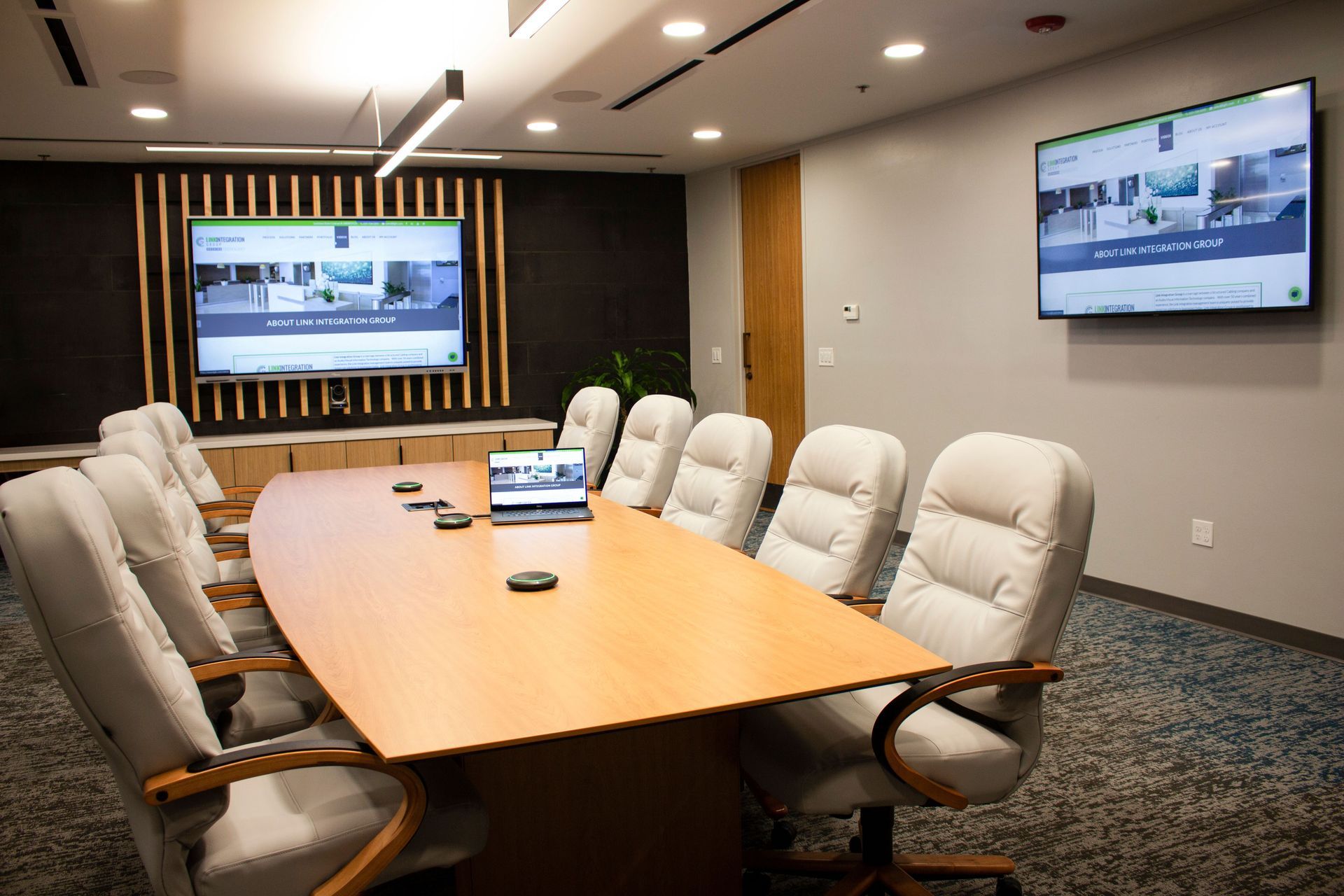
The completed system combines audio, video, and voting into a single integrated platform designed to improve efficiency and reliability during meetings. The camera system runs automatically, eliminating the need for additional staff. And when something needs attention, support is immediate.
“It never fails, right before a meeting is when something might happen,” she said. “But Link is no more than a text away.”
Improving Efficiency and Reliability in Council Meetings
With the new AV system in place, the way meetings are managed has fundamentally changed. Michelle can now focus on running meetings rather than troubleshooting disconnected technology or managing manual workarounds.
“It just makes it easier,” she said. “It makes the stress level a lot easier to handle.”
The integrated system has reduced manual processes, improved meeting documentation, and created a more reliable experience for both staff and the public. What was once a fragmented process now operates as a streamlined system designed around the needs of the council chamber.
For government organizations dealing with disconnected meeting technology, West Baton Rouge Parish demonstrates the value of building systems that are designed to work together instead of independently.