AV and IT Integration in Higher Education: Why Your Teams Need to Plan Together Before the First Cable Is Run
Brad Rojas
A university kicks off a long-awaited classroom technology upgrade. Everything is scoped out, purchased, and partially installed by the time IT gets a look at the plans.
The AV equipment was designed to run over the university's network infrastructure, but the network won’t be able to handle the extra load.
Now, the entire project has to be re-engineered, extending its timeline by six months and blowing the budget.
At Link Integration, our experience with universities across Louisiana shows that avoiding this pitfall requires one simple step: bringing AV and IT together before the design process even begins.
Modern Campus AV Systems Require IT Involvement
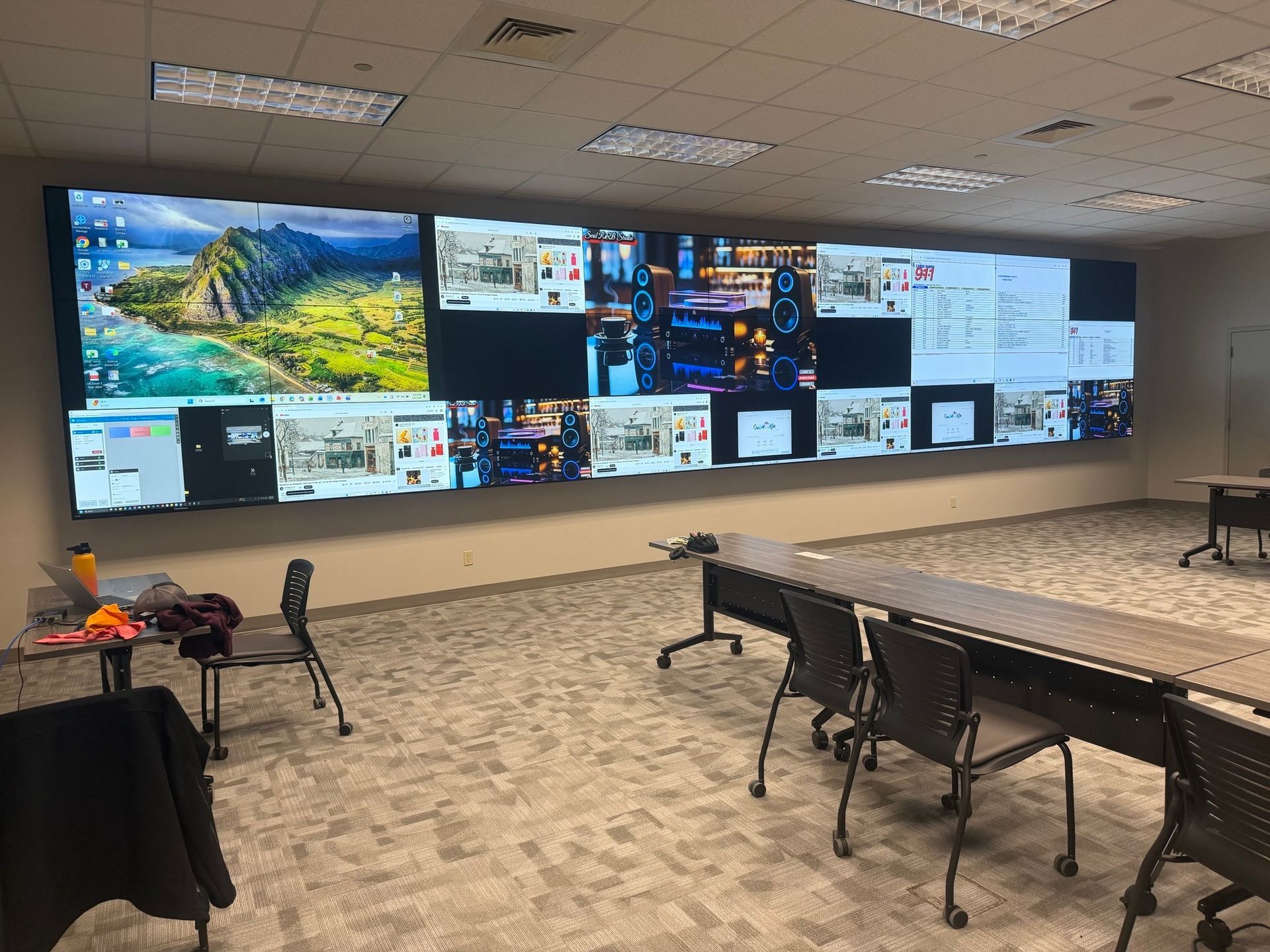
AV and IT teams continue to operate in a process that hasn’t kept pace with how interconnected campus technology has become. Modern AV systems run on the same network as everything else.
Because of this, IT teams have a direct stake in key areas of AV design, including network capacity, security and access, and remote management.
Including IT early in the design stage ensures that:
- New technology can function with minimal impact on existing network services.
- Rooms come online on schedule
- IT staff know how to manage the systems before commissioning day
- Security and network requirements are met without redesign
- No expensive surprises pop up mid-installation
“In higher education, the biggest lesson we’ve learned over the years is that successful AV systems start with collaboration between AV designers and the IT department. Classrooms today are no longer isolated systems. They rely heavily on the campus network, so both sides need to understand how their technologies interact with it. When AV and IT teams plan together early in the process, the end result is a system that performs better, is easier to support, and integrates smoothly with the university’s existing infrastructure.”
Brad Rojas
Owner & Engineer, Link Integration

Key Steps for Successful AV and IT Project Planning
Strong AV and IT collaboration begins with early, focused conversations around the areas where IT has the greatest impact. Before any equipment is specified, both teams should align on four critical priorities.
- Infrastructure Review - AV integrators and IT teams need to evaluate whether the existing network can support the added demand. Addressing this early prevents costly redesigns later.
- Security Alignment - IT requirements should be clearly defined before design begins so compliance and access controls are built into the system, not retrofitted after the fact.
- Support and Management Planning – Teams should determine upfront how systems will be monitored, who owns them after go-live, and what long-term support will look like.
- Timeline Coordination - AV deployments often rely on network upgrades, which come with their own lead times. Without alignment, scheduling conflicts can quickly delay the entire project.
Effective collaboration is not a one-time checkpoint. It should carry through design, procurement, and installation, ensuring both teams stay aligned at every stage of the process.
The Impacts of Misaligned AV and IT Teams
When AV and IT aren't aligned before design begins, the costs stack up:
- Re-engineering and redesign fees
- Contractor remobilization
- Revised equipment orders
- Disrupted classrooms for a full semester
Beyond the direct costs, failed projects erode trust between AV, IT, and facilities teams, making future projects harder to plan and execute.
In higher education, where academic calendars are fixed, and classrooms need to be ready when the semester starts, there's no easy way to absorb that kind of delay.
Answers to Common AV and IT Integration Challenges
Who should own AV/IT planning at a university? A clear project lead who coordinates across AV, IT, and facilities. Ownership matters less than making sure all three are represented early and consistently.
How early should IT be involved in an AV project? Before equipment is specced. The time to surface network capacity issues, security concerns, or management requirements is during the design phase, when changes can be made easily.
Does early IT involvement slow down AV projects? No. It speeds them up. The delays happen when IT isn't looped in until late and flags issues that require redesign or replacement.
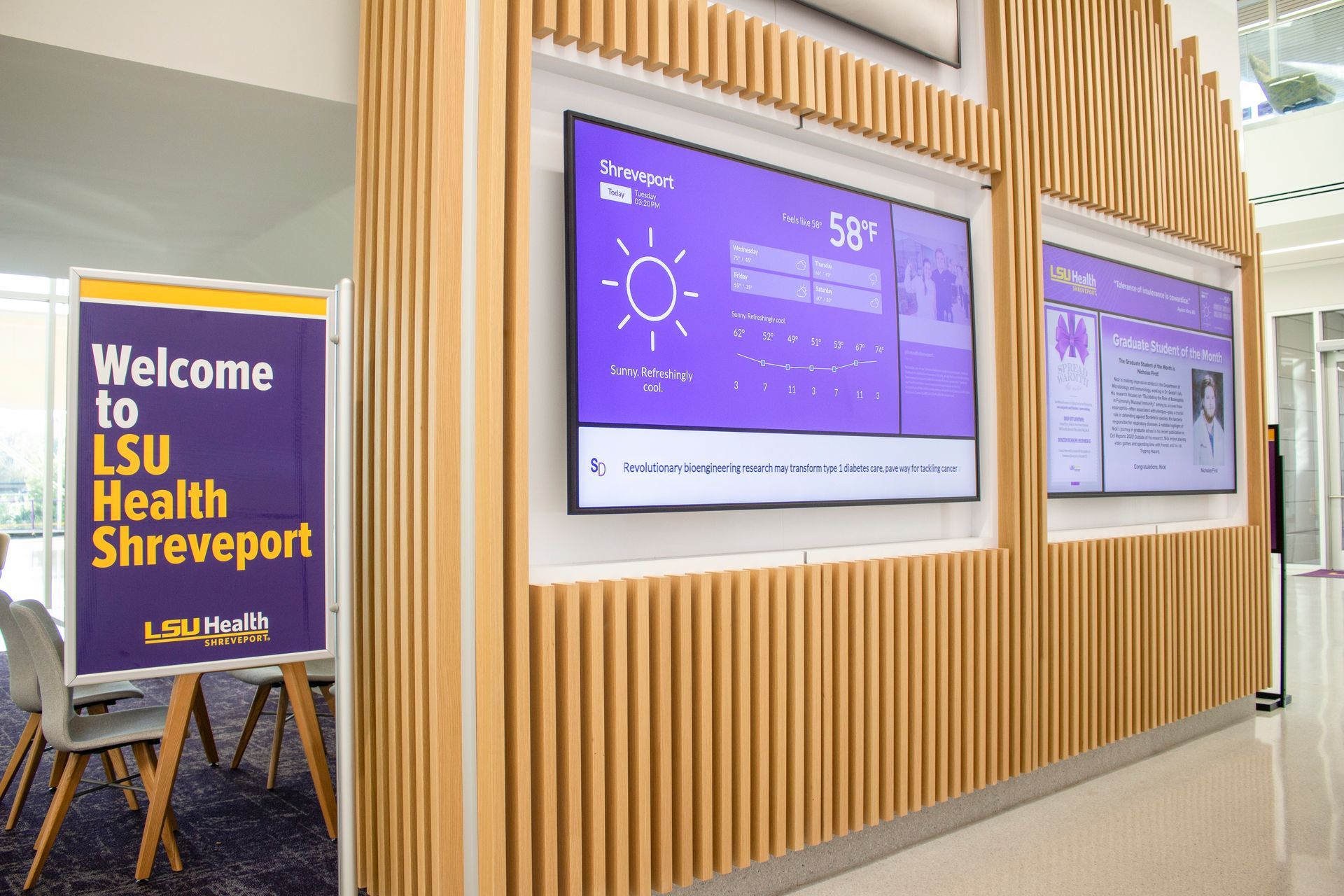
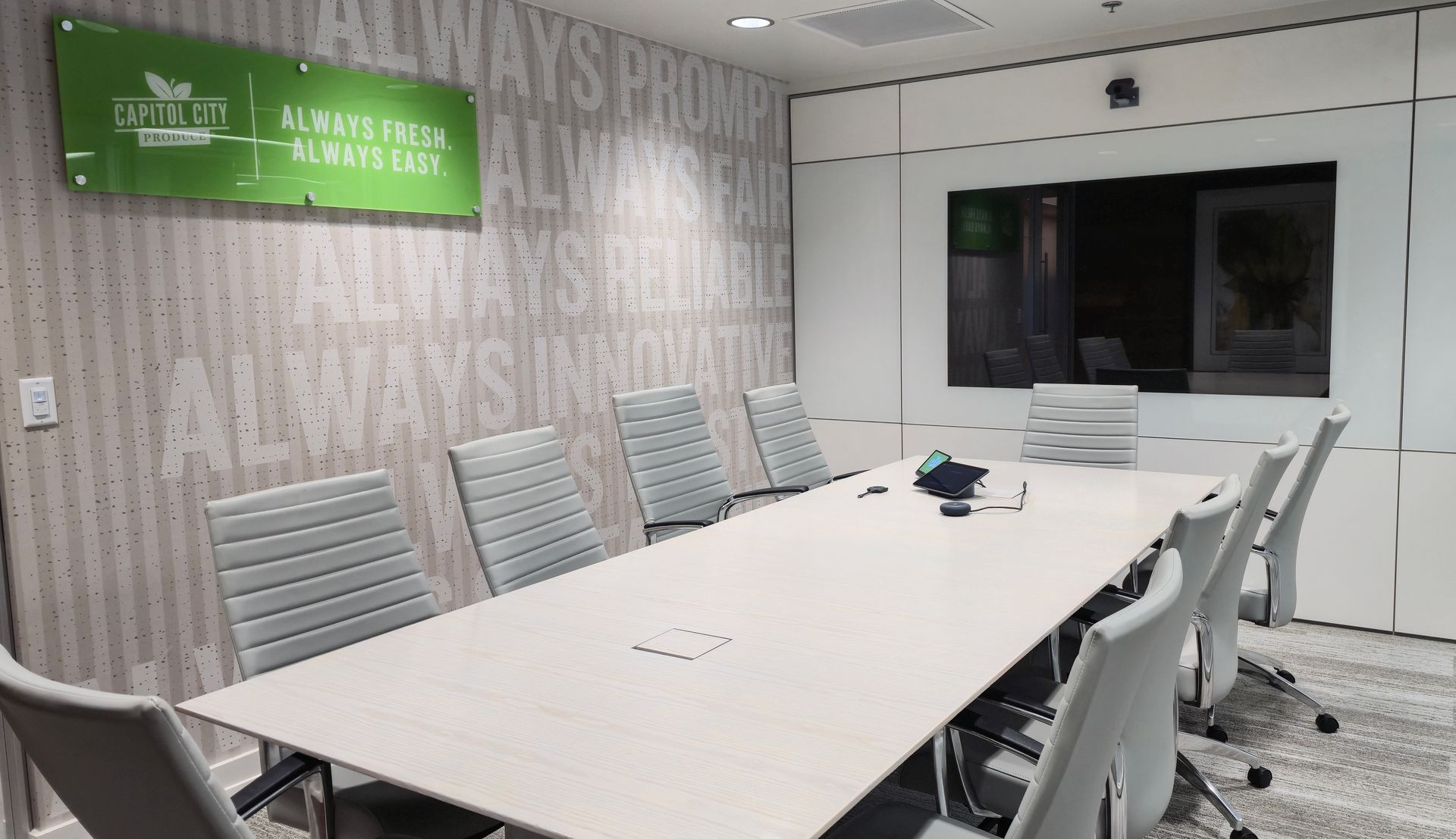
What kinds of AV projects are most likely to need IT coordination? Any system that connects to the campus network, which today means almost everything. Video conferencing rooms, classroom AV, digital signage, and any system with remote monitoring or cloud management capabilities all require IT input to deploy successfully.
Choosing an AV Integration Partner That Aligns with IT
Choosing the right AV integrator means working with a partner who understands both AV and IT and can connect the two from the start. That means translating AV needs into technical requirements IT can support, while ensuring IT standards are built into the system design before any equipment is purchased.
Link Integration acts as that bridge, working alongside your AV design and IT infrastructure teams to bring both sides together early in the process. By facilitating collaboration from day one, we help ensure systems are designed to meet your network, security, and management requirements before installation begins.
Contact us today for a free project assessment.