Consumer-Grade Conferencing AV Equipment vs. Pro-Grade Conferencing AV Equipment
Brad Rojas
In an era where virtual meetings and conferences have become the necessary norm, the importance of audio and video quality cannot be overstated. Consumer-grade conferencing microphones and cameras, often built into laptops or available as standalone devices, cater to everyday users seeking convenience. On the other hand, professional-grade conferencing equipment targets businesses and professionals requiring enhanced performance and features for seamless communication and video conferencing.
Consumer Mics or Pro-Grade Mics?
Consumer-grade conferencing mics in laptops or affordable standalone models found online or in your local electronics box-store prioritize simplicity and affordability. They are designed for casual video calls and online meetings, providing basic audio capture without requiring intricate setups, these microphones frequently have subpar noise-cancelling abilities. Standalone models usually connect to a single device/computer via a USB connection. These models rarely include the needed echo and noise cancellation capabilities for use in larger environments, limiting their effective use to one speaker positioned near the microphone, such as at a desk.
In contrast, professional-grade conferencing microphones are engineered for enhanced audio clarity and versatility. These devices come equipped with advanced features like noise cancellation, echo reduction, and directional audio capture. Directional microphones focus on capturing sound from specific room positions while minimizing background noise—a crucial feature in busy office environments or larger conference rooms. Professional-grade conferencing microphones often offer adjustable settings to cater to various room sizes and acoustic conditions. Some models may even include beamforming technology, ensuring that the microphone captures audio from the presenter while suppressing unwanted noise from other directions.
Consumer Conference Cameras vs Pro-Grade Options
Moving on to cameras. Consumer conference cameras are mainly designed for straightforward video calls involving very few people. These can include the camera built into your laptop or small stationary cameras made to mount under your monitor or display. They generally offer basic video quality suitable for everyday use but may struggle in low-light conditions and lack advanced features found in professional-grade cameras. Some have basic video adjustment settings while most are simply plug-n-play.
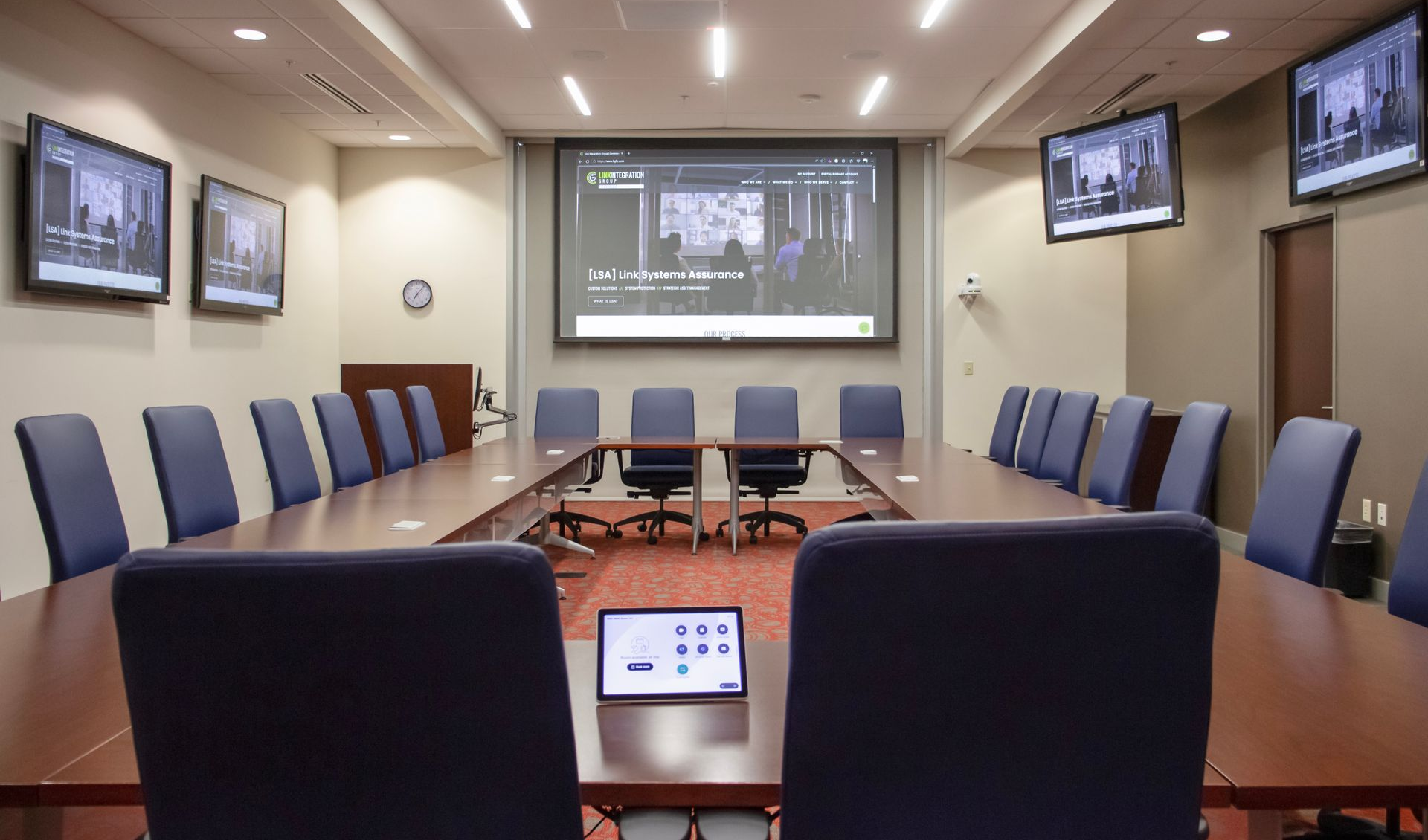
Professional-grade conferencing cameras, such as PTZ (Pan-Tilt-Zoom) cameras, system-integrated cameras, or even broadcast style cameras, are tailored for business environments with larger meeting spaces. These cameras provide superior image quality, resolution, and low-light performance. PTZ functionality allows users to remotely control the camera’s pan, tilt, and zoom functions, ensuring that participants are always in focus, even in more extensive meeting rooms. Moreover, professional-grade cameras often support multiple video outputs and connectivity options, enabling seamless integration with various conferencing platforms. Some models include features like facial recognition and automatic framing, enhancing the overall user experience and reducing the need for manual adjustments during meetings.
Overall thoughts on both
For the most part, consumer vs pro in any type of equipment has a common trait: Build Quality. Consumer-grade conferencing devices are typically designed for occasional use and may not withstand the demands of frequent professional applications. Professional-grade equipment, however, is built with durability in mind, ensuring reliable performance over extended periods. Equipment warranty usually reflects the manufacturers faith in the equipment’s ability to stand up over time.
Security features are also more robust in professional-grade conferencing tools. With the increasing emphasis on data security, businesses demand conferencing solutions that adhere to stringent privacy standards. Professional-grade equipment often includes encryption protocols and advanced security measures to protect sensitive information exchanged during virtual meetings.
Additional Factors to Consider When Choosing Conferencing Mics and Cameras
The disparity between consumer-grade and professional-grade conferencing microphones and cameras lies in the advanced features, audio-visual quality, versatility, build quality and security measures offered by the latter. While consumer devices suffice for casual video calls performed from home or at an individuals desk, businesses and professionals aiming for top-tier communication experiences should invest in professional-grade conferencing equipment. The right choice depends on your specific needs, the scale of the conferencing environment, and your budget allows you to determine the finest conferencing microphone and camera for you. The experts at Link Integration Group in Baton Rouge are here to help your business find the best solutions for your AV and technology needs.