What Should Electric Utilities Look for When Modernizing a Control Room?
Brad Rojas
A modern electric utility control room should give operators a clear view of system conditions, support alarms and communication, adapt to different operating scenarios, and come with dependable training and ongoing support.
Those capabilities matter because a control room is not simply a room full of screens. During an outage, storm, or other major event, it becomes the place where information is gathered, interpreted, and turned into decisions.
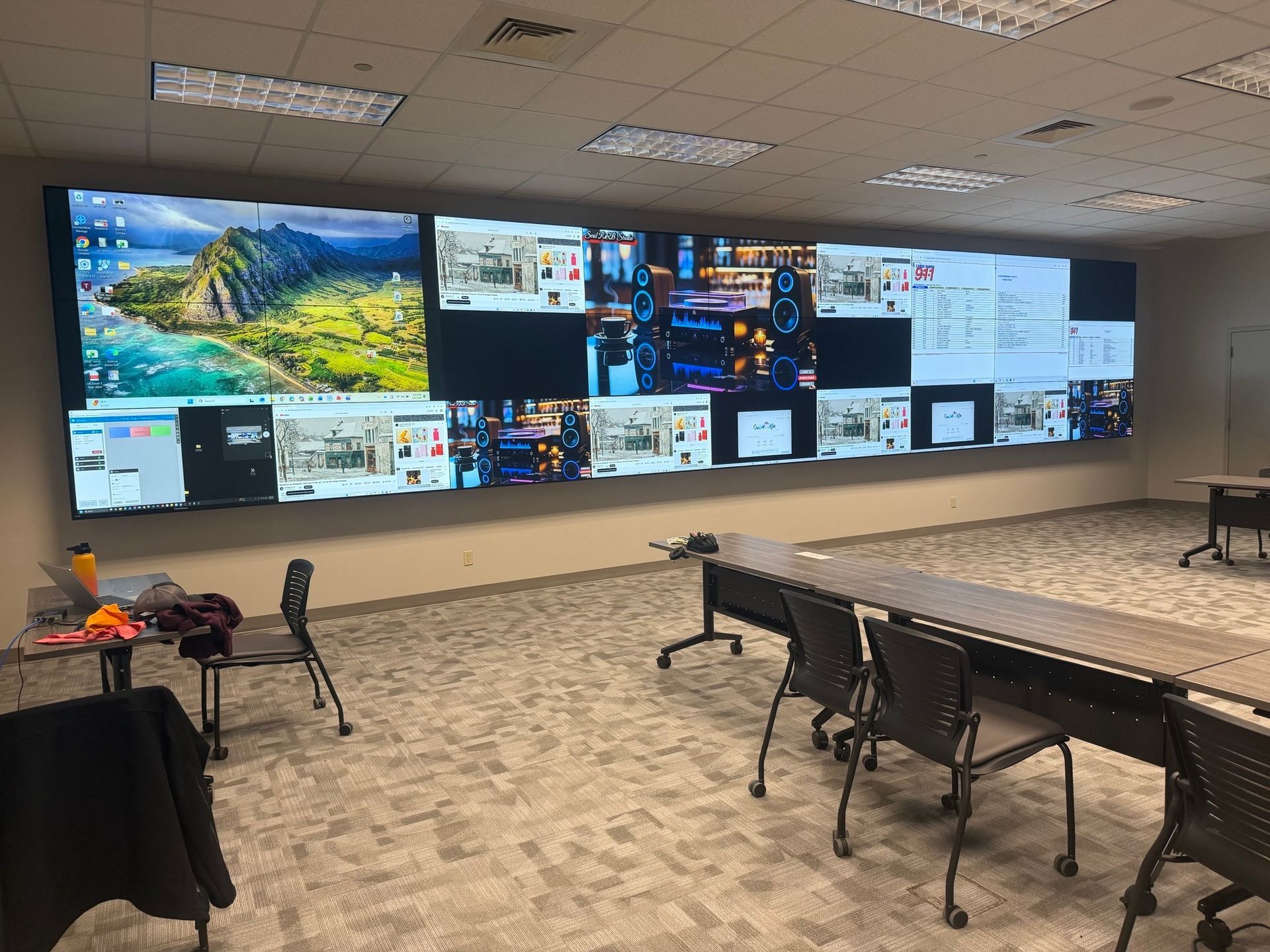
Lafayette Utilities System (LUS) learned that lesson as an aging static map board reached the limits of what it could provide. Working with Link Integration Group, LUS modernized its control room around a more flexible visual environment, beginning a relationship that would eventually expand into additional technology projects across the organization.
How Can a Modern Control Room Improve Situational Awareness?
A modern control room can improve situational awareness by making important information easier for operators to see and understand without forcing them to work around outdated technology.
For years, LUS relied on a physical map board to visualize activity across the electrical grid. Pieces of tape represented portions of the grid, while LED lights positioned behind the board indicated different issues or conditions.
The system provided useful information, but its physical design made it difficult to change what operators could see or how information was presented.
When Operations Center Supervisor Tyler Delcambre stepped into his role, modernizing the control room became one of his goals. LUS also visited other utility systems around the country to see how their operations centers were using technology and better understand what was possible.
The goal was not simply to replace an aging board with newer screens. LUS wanted to give operators a better way to understand what was happening across the electrical grid.

Why Should Control Room Displays Be Flexible?
Control room displays should be flexible because the information operators need during a normal day may be very different from what they need during an outage or major storm.
A fixed display limits operators to a predetermined view. A configurable system allows the room to adjust as priorities change.
For LUS, large visual displays provided a more adaptable alternative to the physical map board. Operators can now present different information based on current operating conditions rather than relying on one permanent layout.
When evaluating a control room system, electric utilities should consider how easily operators can change what appears on screen, whether different information can be displayed as conditions change, and whether the system can continue adapting as operational needs evolve.
How Can Control Room Technology Support Outages and Storms?
Control room technology can support outages and storm response by helping operators understand changing conditions, organize incoming information, and communicate as the response develops.
At LUS, the operations center becomes especially important during severe weather. Delcambre described the control center during major storms as essentially the “brains” of the organization's communication.
Information from across LUS comes into the operations center as employees work to understand conditions across the electrical system and coordinate a response.
Technology does not restore power by itself. People do. The role of the control room technology is to give those people useful information they can understand and use as they make decisions.
Electric utilities should evaluate a control room system not only for routine operations, but also for the outages and major events when operators rely on it most.
Why Should Audio and Alarms Be Integrated Into a Control Room System?
Integrated visual displays, audio, and alarms give operators multiple ways to recognize important conditions across the electrical system.
In a busy operations center, several screens, conversations, and events may compete for attention at the same time. Relying entirely on visual information can create its own limitations.
As part of the updated LUS control room, Link Integration incorporated audio and alarm capabilities alongside the large visual displays. This gives operators additional ways to recognize conditions that may require attention.
The goal is not simply to create more alerts. It is to make sure important information reaches operators in a useful way.
Why Should Utilities Consider a Turnkey Technology Integration Partner?
A turnkey technology integration partner can help bring displays, audio, alarms, controls, and training together as one solution rather than requiring a utility to piece together multiple technologies or vendors.
For LUS, finding the right partner involved more than comparing equipment. The team wanted a system that operators could use confidently, training to help employees understand the technology, and a solution that provided the necessary capabilities while using public funds responsibly.
Ease of use was especially important. Sophisticated control room technology provides little value if operators struggle to use it during everyday operations or when conditions change quickly.
Link Integration’s availability through an existing state contract also helped streamline the purchasing process for LUS. For utilities evaluating an integration partner, the equipment itself is only part of the decision. It is also important to consider how the company approaches system design, operator usability, training, and the utility’s specific operational needs.
Why Is Ongoing Support Important for Utility Control Room Technology?
Ongoing support matters because control room technology becomes part of daily operations and must remain dependable long after installation.
LUS continues to work with Link Integration through an ongoing service agreement. When an issue arises, Link can remotely connect to the system or provide onsite assistance depending on what the situation requires. Delcambre specifically emphasized Link Integration’s responsiveness and the quality of service LUS has received. That support becomes especially important as technology becomes integrated into everyday operations and is relied on during outages, storms, and other major events.
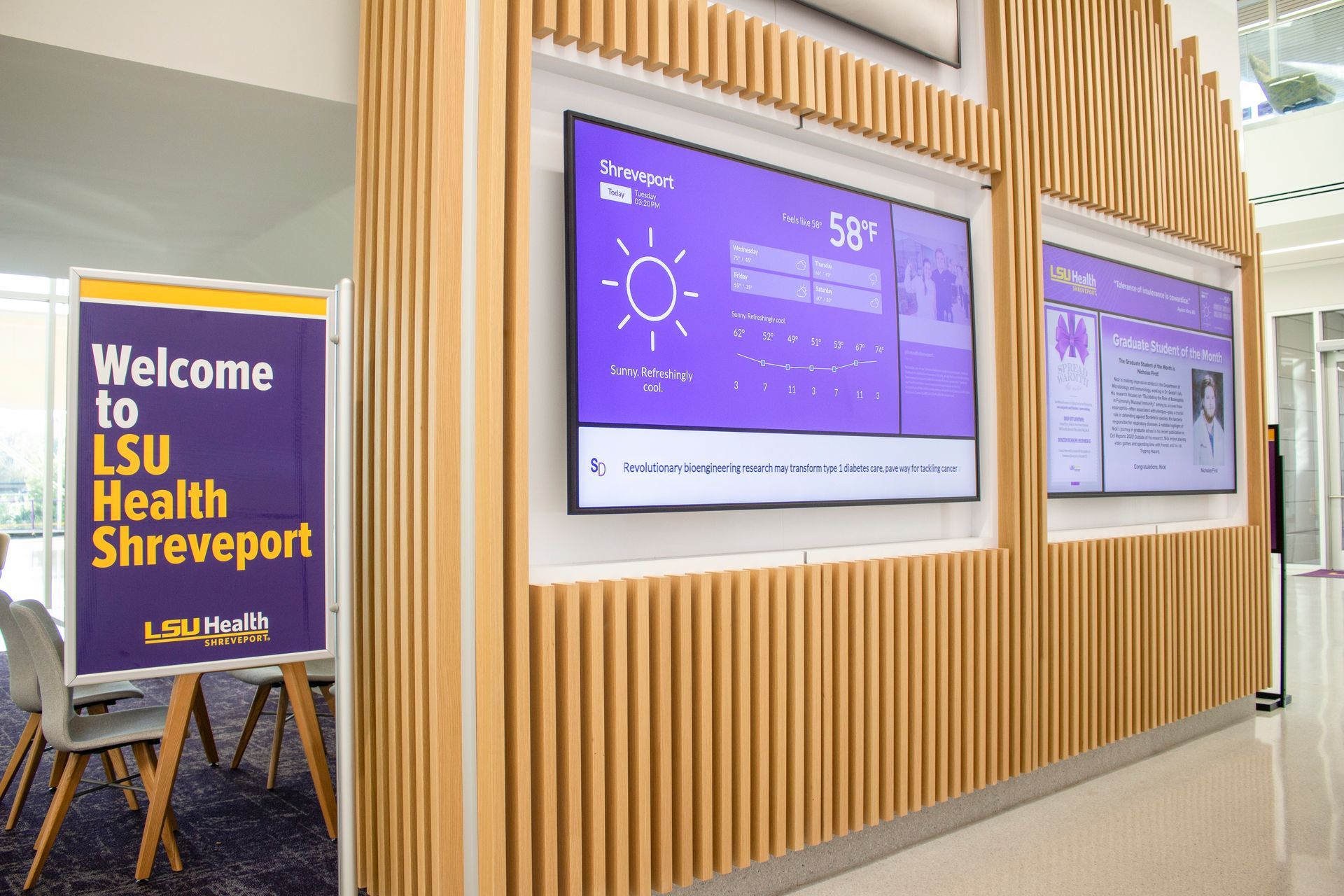
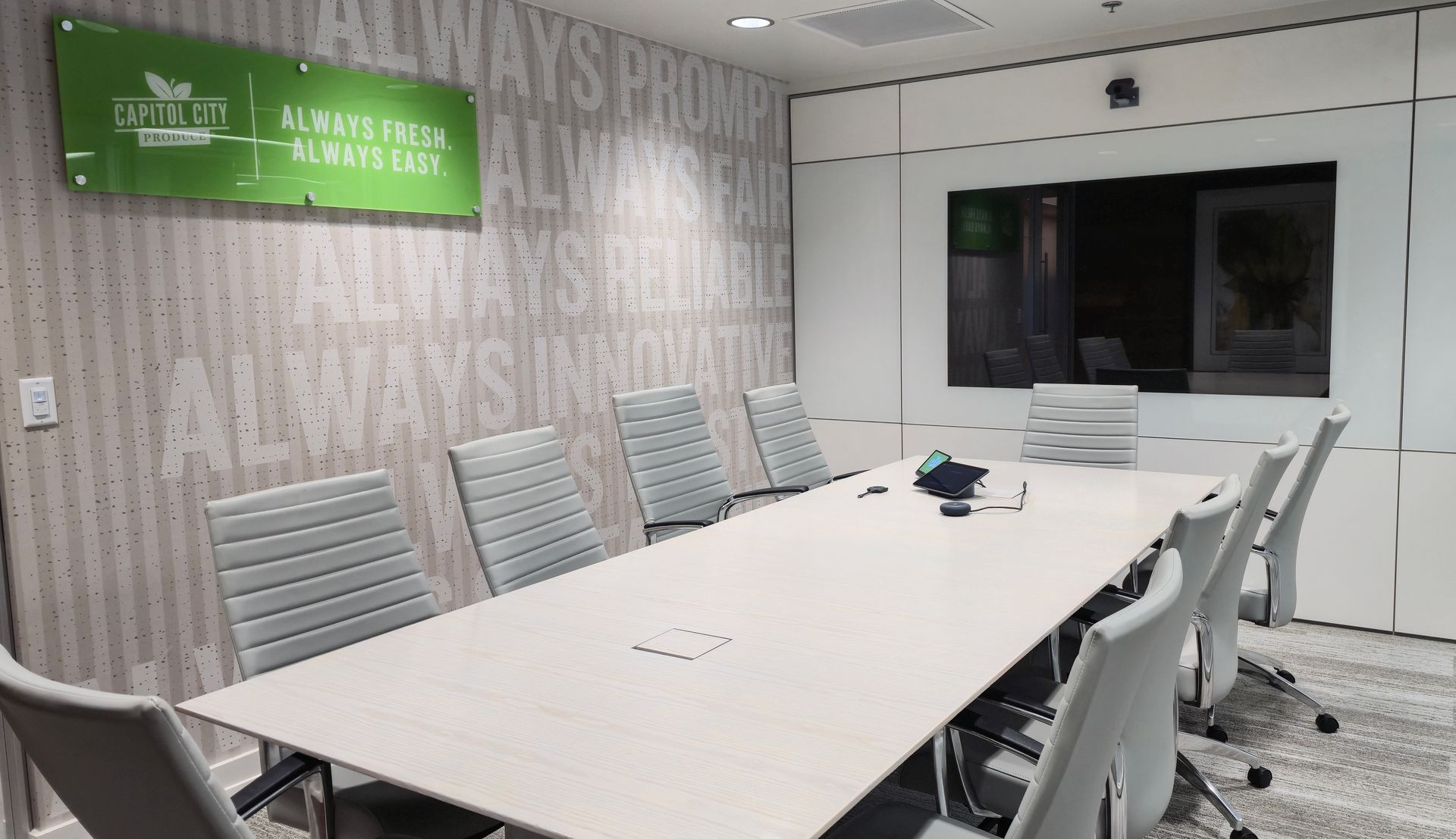
The relationship has also grown beyond the original control room. LUS has since brought Link Integration into additional areas, including the dispatch room, training center, conference spaces, and customer service center.
For Link Integration, the continued relationship with LUS shows how one successful project can develop into a long-term technology partnership.
“Our work with Lafayette Utilities System started with an opportunity to help modernize the control room, but the real success has been earning their trust and continuing to identify ways technology can support people throughout the organization. One successful project opened the door to many more conversations, and we are proud to continue growing that partnership across the LUS operation.” — Scott Perrilloux, Sales Executive, Link Integration
What Makes a Utility Control Room Modernization Successful?
A successful utility control room modernization combines clear operational visibility, user-friendly technology, flexibility for changing conditions, proper training, and dependable long-term support.
LUS's experience demonstrates the importance of understanding how operators use the room, what information they need, and how those needs change during outages, storms, and everyday operations.
It also shows why the integration partner matters beyond the initial installation. The right partner should understand those operational needs, make the technology practical for employees to use, and remain available as the system and organization evolve.
When those pieces come together, the result is a control room designed around the people who depend on it, rather than one they have to work around.