Industries That Benefit Most from Command Center Technology
Brad Rojas
In today’s fast-paced, data-saturated environment, organizations across a wide range of industries are increasingly turning to command center technology to sharpen decision-making, drive operational efficiency, and strengthen security. Once reserved primarily for military or emergency response teams, command centers have now evolved into critical infrastructure for sectors ranging from corporate enterprises to healthcare systems. As the demand for real-time information and coordinated action grows, understanding how to effectively leverage command center technology for your business can enhance its resilience, agility, and long-term success.
Government and Public Safety: Leading the Way in Critical Response
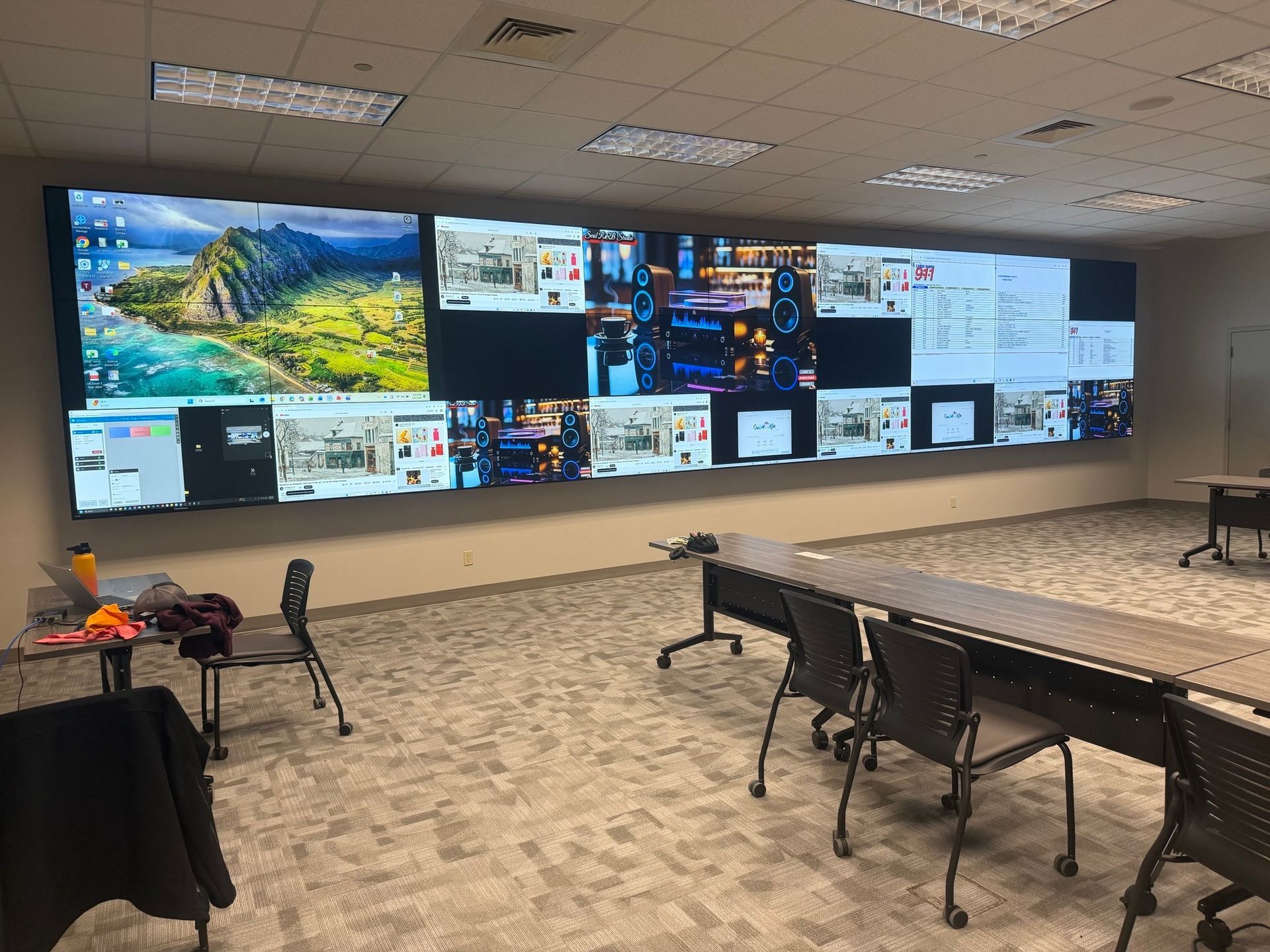
Government agencies were among the earliest and most critical adopters of command center technology, recognizing its potential to streamline complex, high-stakes operations. Command centers provide a centralized hub for monitoring, decision-making, and resource deployment. Emergency Operations Centers (EOCs), in particular, play a vital role during natural disasters, public health emergencies, and civil disturbances. These centers integrate real-time data feeds, live video surveillance, satellite imagery, and geospatial mapping tools to provide comprehensive situational awareness, allowing government teams to quickly assess the scope of a crisis, prioritize actions, allocate resources, and issue timely public communications.

Emergency Services Command Centers: Faster, Smarter Response Capabilities
Police, fire, and emergency medical services (EMS) departments rely heavily on command centers to streamline operations, improve response times, and enhance public safety. These facilities serve as central hubs that combine AV and information technology solutions that gather real-time information from dispatch systems, field units, surveillance cameras, and emergency alert networks, providing a clear, coordinated view of unfolding situations. In fast-moving emergencies, this level of real-time coordination can be the difference between a controlled outcome and a crisis spiraling out of control. As public expectations for safety and accountability rise, investing in modern, interoperable command center solutions has become a strategic imperative for emergency services.
Corporate Enterprises: Securing Operations and Information
As companies grow more interconnected and globally distributed, the need for centralized oversight and rapid crisis response has never been greater. Corporate security operations centers (SOCs) — often built around advanced command center technology — have become essential in controlling enterprise risk management. Modern corporate command centers integrate threat intelligence platforms, access control systems, cybersecurity monitoring tools, and business continuity planning dashboards into one cohesive environment. Operators can track incidents in real time across multiple facilities and geographies, ensuring swift responses to events like data breaches, facility intrusions, environmental hazards, and geopolitical disruptions.
Utilities and Energy: Maintaining Infrastructure Reliability
In the utilities and energy sectors, operational continuity is not just a priority — it’s a necessity. Power grids, water systems, and gas pipelines form the backbone of modern society, and even brief interruptions can have widespread consequences for communities, businesses, and critical services. Command centers play a pivotal role in maintaining infrastructure reliability by providing operators with real-time visibility across complex and geographically dispersed networks. Advanced monitoring systems aggregate data from thousands of sensors, smart meters, and IoT devices, offering a centralized, dynamic view of system performance. These systems aid in early detection and intervention to prevent major service outages or environmental disasters. Command centers can also manage emergency responses during severe weather events, cyberattacks, or equipment failures.
Healthcare Systems: Enhancing Patient Care and Emergency Management
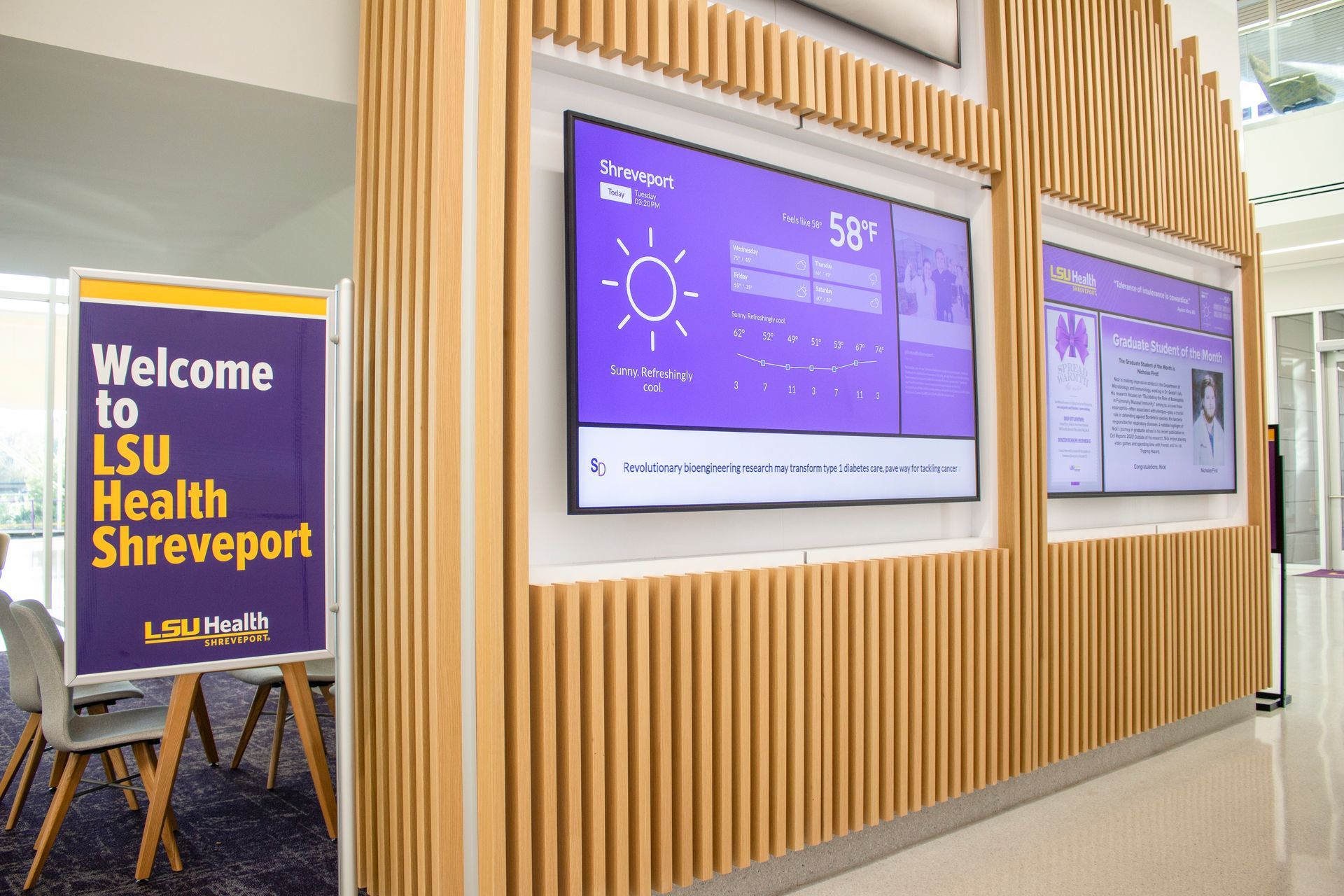
Modern hospitals and healthcare networks are increasingly investing in centralized command centers to manage patient flow, monitor facility capacity, and streamline emergency response efforts. These centers integrate real-time data from electronic health records (EHRs), bed management systems, emergency department tracking tools, and medical equipment monitoring platforms. By consolidating this information into a centralized hub, healthcare teams can dynamically assess patient admissions, discharges, and transfers, ensuring that beds, staff, and critical resources are allocated where they are needed most. In addition to clinical management, healthcare command centers are crucial for operational continuity, monitoring security systems, facility maintenance, and even environmental controls like HVAC and clean room operations.
Command center technology is no longer a luxury — it's a necessity across a growing number of industries, empowering organizations to operate smarter, faster, and more securely. If you're ready to invest in a high-performance command center that sets a new standard for performance, contact Link Integration Group today. Our tailored solutions ensure your team has the tools they need to succeed under any circumstances.