Custom Integrations for Command Centers in Louisiana: Create Purpose-Built Systems for Peak Performance
Brad Rojas
In a high-stakes environment like a command center, clarity, speed, and reliability aren't optional; they're essential. Yet, many operations still rely on off-the-shelf AV systems that weren't designed with their unique workflows or crisis demands in mind. The result? Frustration, delays, and avoidable downtime.
Custom AV integration offers a smarter path forward. By aligning system design with real-world needs, organizations can transform their command centers into intuitive, responsive environments that empower operators and boost performance under pressure.
The Limits of Generic AV Systems for Command Centers
Generic AV solutions may be faster to install, but they often fall short in delivering the specific capabilities required by command centers. These one-size-fits-all systems are typically designed for broad commercial use. As a result, they lack the flexibility to handle complex workflows, provide limited interoperability with specialized tools, or adapt to mission-critical demands.
The result? Inefficient operations, clunky interfaces, and increased operator frustration, especially during high-stress events.
Custom AV Systems Enhance Command Center Capabilities
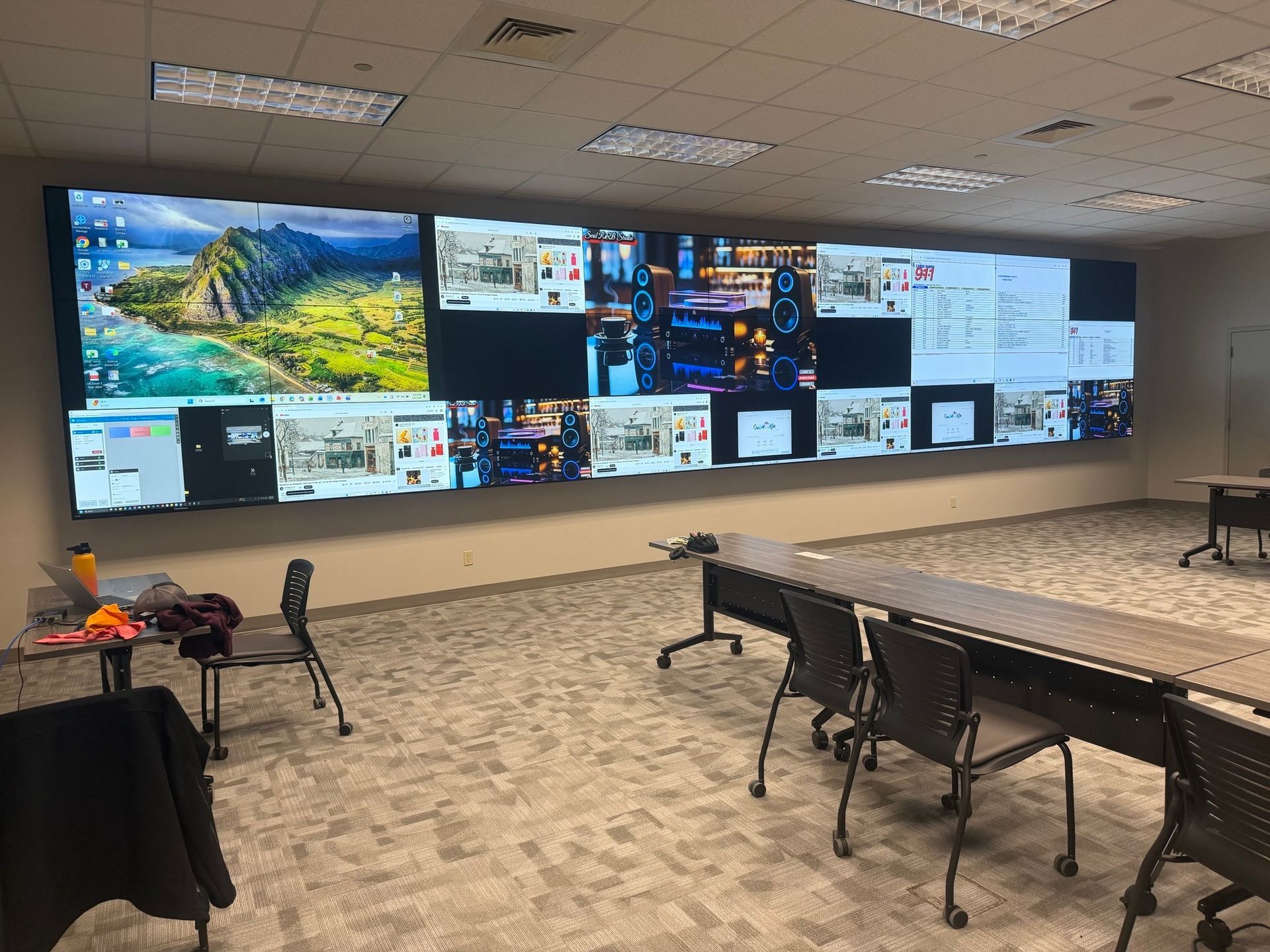
In contrast, a customized AV integration is purpose-built from the ground up. Every component is carefully selected and configured to match the actual operation of the command center. The design takes into account physical space, lighting conditions, team size, operational priorities, and even stress loads during crises.
This tailored approach enables enhanced situational awareness, streamlined decision-making, and a system that feels intuitive to use. It also lays the groundwork for future scalability, ensuring the AV infrastructure can evolve with emerging needs without requiring a complete overhaul.
Why a Consultative Approach is Key to Successful AV Integration
Customized AV integration starts with a consultative process that prioritizes listening over selling. Instead of offering cookie-cutter packages, skilled integrators take time to understand your team's daily challenges, operational goals, and crisis response needs. This discovery phase ensures the system is designed not only to meet technical specifications but also to enhance real-world workflows.
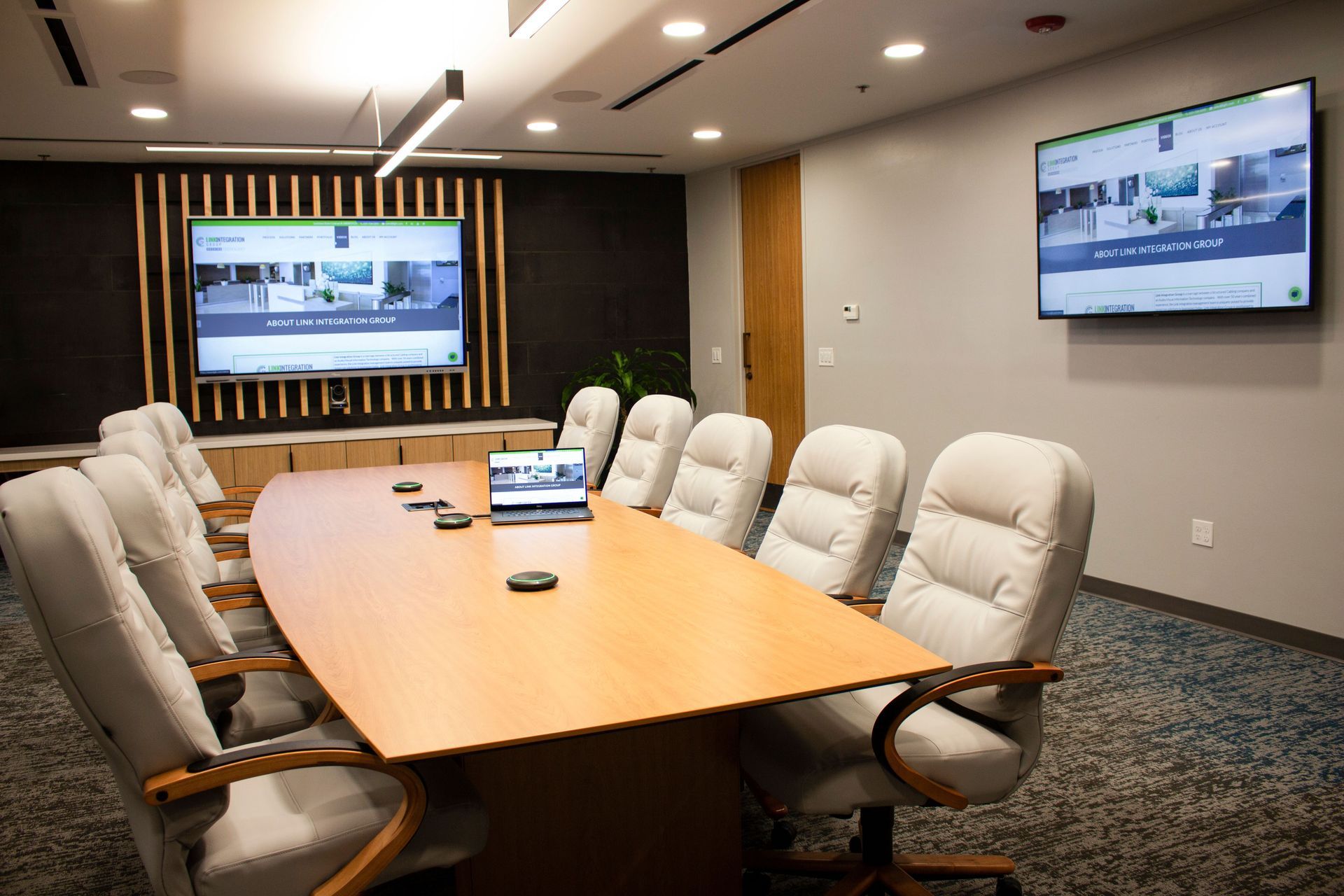
The result of this collaborative design process is a highly customized AV solution that feels intuitive, supports faster decision-making, and fits seamlessly into your environment. The overall system complements your workflow.
Top-tier AV integrators remain engaged after installation, offering training and ongoing support to resolve issues or adapt to changing needs. They treat integration as a living process, not a one-time event. They monitor performance, gather feedback, and make adjustments to ensure long-term reliability and satisfaction.
Case Study: St. James Parish & Link Integration Group
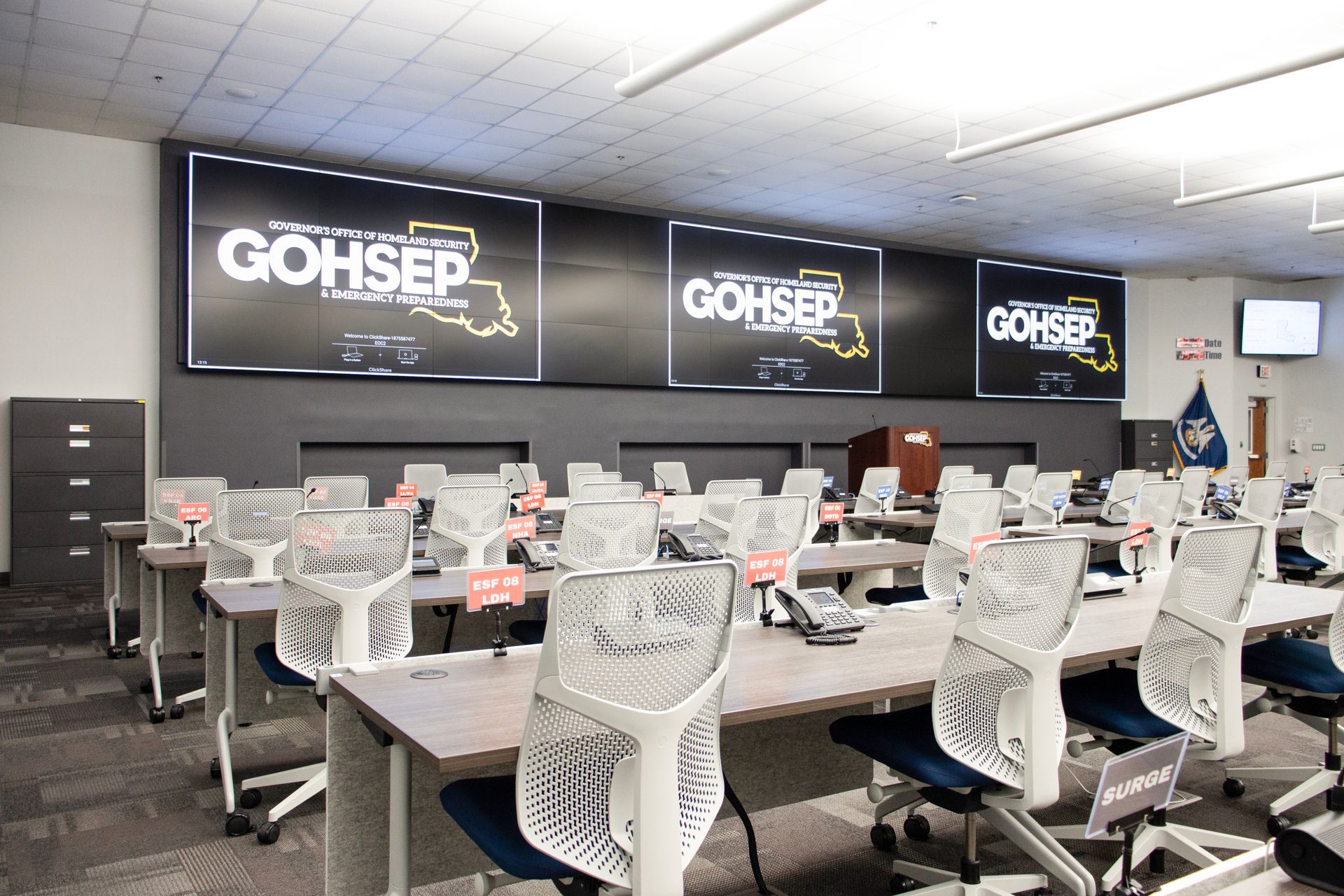
St. James Parish faced growing frustration with its outdated and underperforming AV setup in the emergency operations center. System failures, confusing interfaces, and limited control options hampered situational awareness during critical events.
Link Integration Group approached the project with a focus on listening and understanding. Through in-depth discovery sessions and operational walk-throughs, they identified what truly mattered to the Parish—ease of use, reliability under pressure, and seamless information sharing.
The solution? A custom AV system with redundant signal paths, intuitive control panels, and a layout designed for rapid coordination. Post-implementation, operators reported a dramatic increase in confidence and a noticeable drop in system-related issues.
Core Elements of an Effective Command Center AV Solution
Creating a high-performance AV system doesn't happen by accident. Key steps include:
- Needs Assessment: Interview stakeholders, observe workflows, and understand challenges.
- Custom Design: Select components and interfaces tailored to how the team operates.
- Installation & Testing: Ensure seamless integration and stress test under real-world conditions.
- Training: Equip operators with the skills to use the system effectively from day one.
- Support & Scaling: Maintain, refine, and grow the system as needs evolve.
A well-integrated AV system does more than present information; it empowers the people who depend on it. When controls are intuitive, and systems respond instantly, operators can stay focused on the mission, not the technology.
Custom-built solutions reduce downtime, accelerate crisis response, and build lasting trust in the tools at hand. For public safety, emergency management, and security operations, that level of confidence is essential.
Transforming your command center starts with the right partner. By listening first and designing with intent, Link Integration Group can create a customized solution tailored to your team's needs. Contact us today for a free assessment and get started with reliable, scalable solutions for your command center needs.